
Figuring out the best HVAC system for home comfort isn’t as simple as picking the cheapest option or going with what your neighbor has. Washington’s weather swings from cold winters to hot summers, and whatever you install now affects your comfort and energy bills for the next 15 years. That’s a long time to live with a decision that didn’t quite work out.
Homeowners in Bremerton and Port Orchard usually end up comparing traditional HVAC systems against ductless ones, trying to figure out which makes sense for their house. The truth is, both work well in the right situations. Your home’s age, whether you’ve got existing ductwork, and how your family uses different rooms—those factors matter more than any blanket recommendation.
This guide explains how each system actually works, where they excel, and what you should think about before committing. When you’re ready to move forward, professional HVAC service experts in Bremerton, Port, and Orchard, WA, and the surrounding areas, like Herdman Plumbing Heating & Cooling, can walk through your specific situation and recommend what’ll work best.
What Is a Traditional HVAC System?
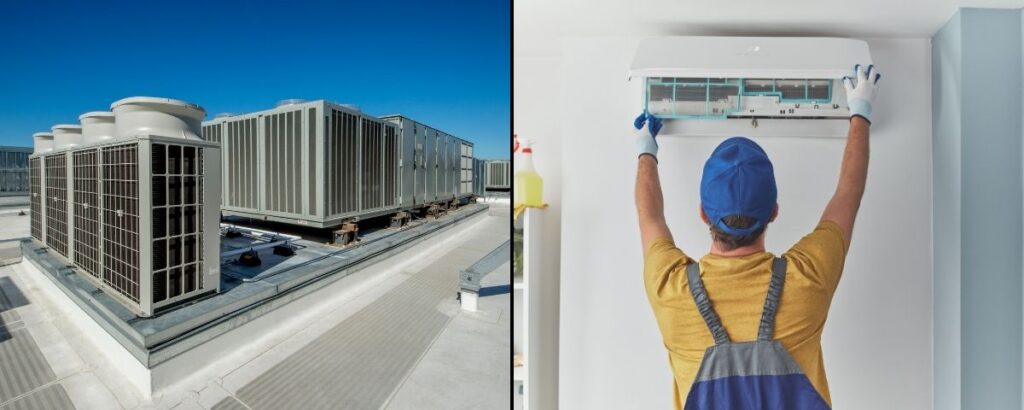
Traditional HVAC systems—what most people just call central air—have been around forever. One furnace or air conditioner heats or cools air in a central location, then pushes it through ducts running through your walls and ceilings. You control everything from one thermostat, and air comes out of vents in each room.
| Component | What It Does |
| Furnace/AC Unit | Heats or cools air in one spot before distributing it |
| Ductwork System | Metal passages delivering air to every room |
| Central Thermostat | One control for your entire home’s temperature |
| Return Vents | Pull air back to get heated or cooled again |
The main advantage? Consistent temperature everywhere. Your bedroom isn’t freezing, while the living room’s comfortable. If your house already has ducts, installation is straightforward since the infrastructure is in place. And the technology’s been refined over decades—most HVAC techs can fix these systems without hunting for specialized parts.
Best for: Homes with existing ductwork, or new construction where installing ducts makes sense from the start.
What Is a Ductless HVAC System?
Ductless HVAC systems—also called mini-splits—skip ductwork entirely. Instead, you mount individual units on walls or ceilings in rooms you want climate-controlled. Each unit connects to an outdoor compressor through small refrigerant lines. You control each unit separately so that different rooms can run at different temperatures.
| Component | What It Does |
| Indoor Air Handler | Delivers heated or cooled air directly into the room |
| Outdoor Compressor | Does the actual work of heating or cooling |
| Individual Controls | Each room gets its own temperature setting |
| Refrigerant Lines | Small pipes connecting indoor and outdoor units |
According to the leading HVAC service experts in Bremerton, WA, installation is simpler because you’re not cutting into walls throughout your house to run ductwork. Energy efficiency is typically better since you’re not losing conditioned air through leaky ducts. The zoning capability means you’re heating or cooling only the rooms people are actually using. And they run surprisingly quietly—the indoor units don’t make much noise at all.
Best for: Older homes where adding ductwork means major construction, room additions, or situations where family members want different temperatures.
Key Differences Between Traditional and Ductless HVAC
The practical differences matter more than technical specs when you’re deciding what to install.
| Feature | Traditional HVAC | Ductless HVAC |
| Air Distribution | Through hidden ducts | Directly from wall units |
| Installation | Needs ducts or major work | Small holes for refrigerant lines |
| Energy Efficiency | Some loss through ducts | More efficient, no duct losses |
| Temperature Control | One thermostat for everything | Each room controlled separately |
| Upfront Cost | Higher if installing new ducts | Moderate, more zones cost more |
| Visual Impact | Just vents showing | Units visible on walls |
Homes with multiple floors or separate living areas often work better with ductless. You’re not heating upstairs when everyone’s downstairs. Traditional HVAC systems work well when you want the whole house at one temperature without fiddling with different controls in every room.
Benefits of Traditional HVAC Systems
There are solid reasons these systems have been the best HVAC systems for homes for so long:
Consistent temperature everywhere:
Your bedroom won’t be stuffy while the kitchen’s freezing—the air gets spread around evenly.
Smart home integration:
A lot of the newer systems connect to your phone now, so you can change the temperature from work or program it around when you’re actually home.
Long-term durability:
Take care of them and they’ll run for 15 to 20 years, sometimes more.
Better for larger homes:
Controlling everything from one spot is simpler than dealing with remotes for five different zones.
Leverage existing infrastructure:
If ducts are already there, swapping out an old furnace or AC is pretty straightforward.
Working with professional HVAC installers in Bremerton, WA, means your system gets sized right for your space. Get that wrong and you’re dealing with rooms that won’t stay comfortable and equipment that wears out early.
Benefits of Ductless HVAC Systems
Ductless HVAC systems keep gaining popularity for several practical reasons:
Superior energy efficiency:
Air doesn’t travel through 50 feet of ductwork losing energy through leaks—it goes straight from the unit to your room, and that shows up on your monthly bills.
True customizable comfort:
Your teenager keeps their room at 68 while you keep the living room at 72—nobody has to compromise on their comfort.
Whisper-quiet operation:
These units run so quietly you might forget they’re on, unlike the whoosh of air through traditional vents.
Minimal installation disruption:
Instead of cutting into ceilings throughout your house, technicians drill a few small holes for refrigerant lines and mount the units—it takes days instead of weeks.
No ductwork required:
This matters more than people realize, especially in older homes where adding ducts means tearing into finished walls and ceilings.
Ideal for: Room additions, converted garages, basements, home offices—anywhere extending ductwork is impractical. Older homes in Bremerton and Port Orchard often fall into this category because they were built before central air conditioning was standard.
Which HVAC System Is Best for Your Home?
Your home’s specifics determine what makes sense. Larger homes that already have ductwork in reasonable condition usually go with traditional systems—why replace infrastructure that’s working fine? Smaller homes or those without ducts tend to lean toward ductless systems.
Think about how you use your space. Heating and cooling the whole house most of the time? Traditional works fine. Got rooms sitting empty for hours, or different areas used at different times? Ductless HVAC systems let you avoid wasting energy.
Your budget matters—not just installation costs, but ongoing operation. Sometimes, spending more upfront on ductless systems pays off faster through lower bills.
| Your Situation | Better Choice | Why |
| Well-maintained ductwork exists | Traditional | Use what’s already there |
| No existing ductwork | Ductless | Avoid expensive duct installation |
| Want one temperature throughout | Traditional | Simpler single-thermostat operation |
| Different temps by room | Ductless | Independent zone control |
| Adding room or converting space | Ductless | Extend climate control easily |
When to Call the Experts at Herdman Plumbing
Installing HVAC systems isn’t something you can do yourself. Equipment costs thousands, and wrong installation causes years of problems—inefficient operation, premature failure, comfort issues that never get fixed right.
Herdman Plumbing Heating & Cooling works with homeowners on both traditional and ductless HVAC system installations throughout Bremerton, Port Orchard, and surrounding areas.
Here’s why people keep calling us:
Broad technical expertise:
We know the new stuff and the old stuff equally well, so what we recommend is based on what’ll actually work for you, not what’s easiest for us to install
Complete service coverage:
Installation, repairs when something breaks, maintenance to keep things running—we handle all of it.
Energy-focused approach:
We’re looking at what your bills will be five years from now, not just trying to close today’s sale.
Honest evaluations:
An evaluation means someone comes out, looks at your actual house, asks how you use different rooms, talks about what you want to spend, and gives you real advice instead of whatever sounds good.
Local reputation:
Twenty years in Western Washington means people know us from actual work we’ve done, not just advertising.
Final Takeaway: Comfort, Efficiency, and Smart Choices
Getting the best HVAC system for your home means years of comfortable living and energy bills that don’t make you cringe. Traditional HVAC systems work reliably for whole-home heating and cooling. Ductless systems give you flexibility and efficiency when putting in ducts doesn’t make sense. There’s no universal “better” option here—what works depends on your specific house and how you actually use the space day to day. For homeowners around Bremerton, Port Orchard, and nearby areas, the HVAC team at Herdman Plumbing Heating & Cooling can walk you through what makes sense for your situation.
Take your time evaluating what makes sense, talk to people who’ve been doing this for years, and think about more than just the price tag. That approach works out better than rushing into whatever’s cheapest right now.
Ready to upgrade your home’s comfort? Contact Herdman Plumbing Heating & Cooling at 360-698-4147 for expert HVAC service in Bremerton, Port Orchard, WA, and the surrounding communities today!