
Winter is beautiful until it starts messing with your home.
Cold air sliding under the door, pipes groaning behind the walls, drains suddenly acting stubborn, and the water heater working harder than you do during end-of-year deadlines.
Across Washington, from Bremerton to Bainbridge Island, winter plumbing problems are surprisingly common. Every year, homeowners deal with frozen pipes, slow drains, water heater failures, and outdoor plumbing incidents they never saw coming.
And here’s the reality:
Most winter plumbing issues don’t happen suddenly. They build up quietly, and winter simply brings them to the surface.
Whether you’re searching for winter plumbing tips or worried about plumbing issues in winter, this guide walks you through everything you need to know — in clean, simple language that even a busy homeowner in Port Orchard, Silverdale, Poulsbo, and the surrounding locations can follow.
Let’s get into it.
Frozen Pipes: Causes, Risks, and Prevention
Frozen pipes are the headliners of winter plumbing issues — the kind that can ruin mornings, burst budgets, and cause water damage you never asked for.
Why Pipes Freeze
Even in moderate winter climates, pipes can freeze when:
- Cold air sneaks into crawl spaces
- Outdoor temperatures fall quickly overnight
- Older pipes lack insulation
- Water flow is low or paused for long periods
What Happens When Pipes Freeze
A frozen pipe isn’t just a pipe filled with ice — it’s a ticking problem.
Ice expands. Pressure builds. And if the pipe has even the smallest weak spot, it can burst.
How to Prevent Frozen Pipes
Here’s a simple, skimmable list you can apply immediately:
- Keep cabinet doors open under sinks
- Let a tiny trickle of water flow during very cold nights
- Add insulation to exposed pipes
- Seal cracks around windows, crawlspaces, and exterior walls
- Keep home heating consistent
Quick Winter Fact
Areas like Silverdale, Port Orchard, and Poulsbo often experience sudden overnight temperature drops, amongst other plumbing issues in winter, which is exactly when most pipe-freezing incidents occur.
Burst Pipes: How to Spot Early Warning Signs
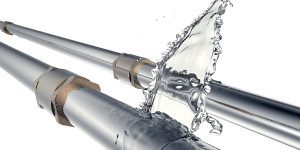
A burst pipe can flood your home faster than most people expect — and winter increases the chances dramatically.
Early Signs Homeowners Usually Miss
- Unexpected drop in water pressure
- Strange gurgling sounds inside the walls
- Small patches of dampness on walls or flooring
- Slow-running taps with no obvious cause
- Higher-than-usual water bills
Where Burst Pipes Usually Occur
Burst pipes tend to happen in cold-prone zones of the home:
| Location | Why It’s At Risk |
| Crawl spaces | Poor insulation and colder air circulation |
| Garages | Often unheated, so pipes get cold quickly |
| Exterior walls | Direct exposure to outside temperature swings |
| Attics | Limited warm airflow and poor heat retention |
Spotting issues early can prevent a major headache — and a major bill.
Water Heater Troubles During Winter
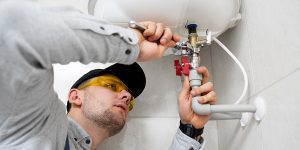
According to the top HVAC and plumbing experts in Bremerton, your water heater works the hardest during cold months. The water entering the tank is colder, and you’re using hot water more frequently — showers, dishes, laundry, and heating.
Typical Winter Water Heater Problems
- Longer heating times
- Lukewarm water
- Sudden temperature drops
- Strange popping noises
- Higher energy consumption
Why do These Problems Rise in Winter
- Colder incoming water
- Sediment buildup at the bottom of the tank
- Older water heaters are struggling with demand
How to Keep Your Water Heater Healthy
- Flush sediment (preferably before winter)
- Keep the surrounding area warm
- Set the thermostat to a safe, efficient temperature
- Avoid overloading with back-to-back heavy use
If you’re living in areas like Bainbridge Island or Silverdale, where mornings can be particularly chilly, consistent maintenance and following winter plumbing tips become even more important.
Clogged Drains and Sewer Backup Problems in Winter
Winter isn’t kind to drains either. Cold temperatures, holiday cooking, and increased indoor activity create the perfect storm for stubborn clogs.
Common Reasons Your Drains Act Up
- Fats and oils harden in pipes
- Extra kitchen waste during holidays
- Lower water pressure
- Tree roots are searching for moisture underground
- Sewer lines contracting in cold temperatures
Signs Your Drains Need Attention
- Gurgling sounds
- Water is backing up in sinks
- Slow drainage
- Bad smells are emanating from the drains
- Frequent clogs in the same spots
Drain issues worsen fast in winter. If you’re searching for winter plumbing tips in Poulsbo or the surrounding communities, this one is crucial — don’t let small drain issues sit. The colder it gets, the harder they become to fix.
Outdoor Plumbing Hazards During Winter Months
Outdoor plumbing takes the harshest hit during winter because it’s directly exposed to the elements.
Problem Areas to Keep an Eye On
- Outside taps and hoses
- Sprinkler lines
- Exterior pipe connections
- Pipes running through uninsulated walls
Common Winter Hazards
- Frozen hose bibs
- Cracked outdoor pipes
- Leakage that goes unnoticed until thawing
- Pressure buildup in hidden joints
Here’s a quick table to simplify what to monitor:
| Outdoor Fixture | Winter Risk | Prevention |
| Garden hoses | Water freezes inside | Disconnect before winter |
| Sprinkler systems | Underground freeze | Shut down system ahead of first frost |
| Exterior faucets | Burst from ice | Use insulated faucet covers |
| Outdoor pipes | Freezing and cracks | Add pipe sleeves or wraps |
Outdoor issues are often overlooked — until the first warm day melts the ice and reveals the real damage.
Tips for Maintaining Your Plumbing System in Winter
These easy-to-follow winter habits can prevent most plumbing headaches:
Keep Indoor Temperatures Stable
Don’t allow rooms to drop too low, even when you’re away.
Insulate Vulnerable Areas
Crawl spaces, attics, and garages often need extra protection.
Run Water Regularly
Movement prevents freezing.
Watch for Slow Drains
Winter magnifies drain problems — fix them early.
Inspect Outdoor Fixtures Before the First Freeze
Taking a few minutes to check things now beats dealing with expensive repairs later.
Listen to Your Water Heater
Hearing popping or banging that wasn’t there before? Get it looked at.
Pay Attention to Water Flow Changes
When your water pressure suddenly drops, there’s probably something going wrong behind your walls.
These winter plumbing tips are especially helpful for homeowners across Port Orchard, Bremerton, Silverdale, Poulsbo, and Bainbridge Island, where cold snaps are common but often unpredictable.
A Short Pause Before We Wrap Up
Every winter, Washington homeowners deal with plumbing problems that appear suddenly — but quietly grow over time.
Cold weather exposes weaknesses that stay hidden all year.
And here’s an eye-opening perspective:
According to the Insurance Institute for Business & Home Safety, frozen pipes are one of the most common causes of property damage during winter.
That’s why a little awareness goes a long way.
Knowing what winter does to your plumbing means you can tackle issues before they blow up, be ready for trouble, and avoid those bills that make you sick.
Final Takeaway: When You Should Reach Out for Professional Help
Winter plumbing issues don’t just go away. Frozen pipes, slow drains, water heater acting up, or something just feels wrong? You need a professional who can handle all these issues the right way.
Homeowners who need dependable, skilled work can rely on Herdman Plumbing Heating & Cooling for winter plumbing, heating, and cooling needs in Port Orchard, Poulsbo, Silverdale, Bremerton, Bainbridge Island, and the surrounding areas. Our team handles plumbing repairs, water heater services, inspections, and heating system solutions with the kind of care homeowners appreciate in stressful winter moments.
We’re here to make sure your home stays warm, safe, and running smoothly, no matter how unpredictable the season gets.
Need help this winter? Contact Herdman Plumbing Heating & Cooling at 360-698-4147 for reliable service and peace of mind.