
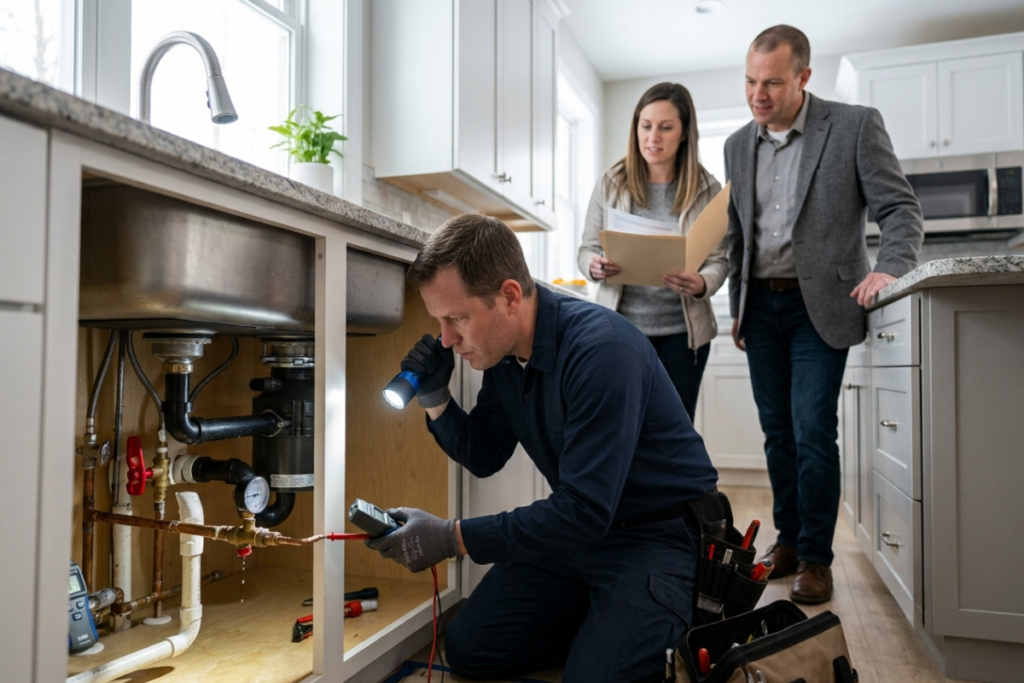
Most home purchases run into plumbing trouble for one simple reason: pipes don’t show damage until after they’ve already caused it. A slow leak can be concealed for months behind a fresh coat of paint or a drywall patch, and when symptoms do appear, the fix is rarely straightforward. Buyers who focus only on cosmetics often inherit a system that was already failing long before the listing photos were taken. Herdman Plumbing Heating & Cooling has spent two decades tracing these problems back to their source, long before most buyers ever thought to look.
This blog breaks down what actually separates a home with sound plumbing from one hiding expensive surprises. You’ll learn what questions will expose the true condition of a system, what a home plumbing inspection will uncover that a standard walkthrough will not, and how to create a homebuyer plumbing checklist you can trust before signing anything.
Why Plumbing Deserves a Closer Look Before You Buy
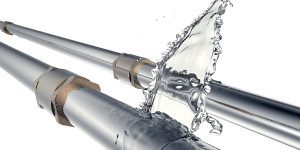
Plumbing failures rarely happen all at once. They build slowly, hidden behind walls and under slabs until a pipe finally fails. The EPA says undetected leaks alone cause the average home to lose over 10,000 gallons of water a year, and that’s just the baseline for unchecked homes. Skip a proper plumbing inspection, and you’re essentially betting that yours is the exception.
The trouble is that plumbing issues before buying a house almost never appear on a seller’s disclosure. To be honest, most sellers have no idea their pipes are corroding. The symptoms are hidden behind the walls until a leak reveals the problem. The buyers who think ‘no complaints’ means ‘no problems’ are often the ones who get saddled with the worst ones.
Start With the Age and Condition of the Plumbing System
Pipe material tells you more about the future of a home than almost any other single detail. What’s really running behind the walls of two homes built a decade apart can mean vastly different risk profiles.
A Pipe Materials Timeline Most Buyers Never See
Before 1960, homes were commonly plumbed with galvanized steel, a material that rusts from the inside out and quietly restricts flow long before it fails outright. Between 1978 and 1995, builders used polybutylene piping, which was later found to be prone to failure when water treatment chemicals made it brittle over time. Neither material exhibits outward warning signs from outside the wall.
| Era | Material | What It Means for You |
| Pre-1960 | Galvanized steel | Internal rust, shrinking water flow |
| 1978–1995 | Polybutylene | Brittle, prone to sudden cracking |
| 1960s–present | Copper | Durable, but reacts to hard water |
| 1990s–present | PEX | Today’s standard; flexible and long-lasting |
Questions Worth Asking Before Anything Else
Ask directly if the home has ever had its pipes replaced; if so, when? A vague answer is useful information on its own. It usually means no one has looked closely in years. Sellers who can produce documentation are almost always sellers who have kept the system in good repair.
- Has the home ever failed a plumbing inspection?
- Is there any plumbing repair history on file?
- Was past work handled by a licensed plumber or done informally?
Questions to Ask About Past Plumbing Repairs
A seller’s answers reveal more through hesitation than detail. Ask if there was ever a burst pipe, sewer backup, or major leak. And was that repair actually permitted? Unpermitted work is a silent liability; it usually means shortcuts were taken that won’t be apparent until the next owner has to deal with them.
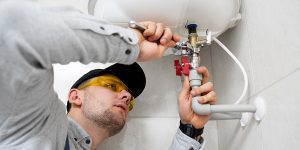
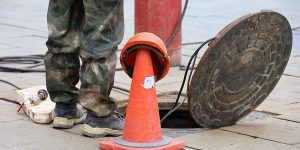
Water heaters deserve the same scrutiny. Sediment buildup, inconsistent temperatures, and unusual tank noises are early signs that water heater replacement is closer than it appears, even if the unit is still technically working. A camera-based sewer line inspection settles what no visual check ever could, since root intrusion and pipe offsets stay completely invisible from above ground.
A sewer line with root intrusion doesn’t fail gradually; it backs up all at once, usually on a weekend, and always without warning.
Red Flags Hidden Under Sinks and Behind Walls
There is more evidence in the cabinets under sinks than most buyers realize. Warped particleboard, a faint mineral ring, or a hinge that’s gone slightly swollen all hint at slow leaks that predate the listing photos. Those little clues are often the only physical clues a buyer will see before closing.
- Water stains or soft spots on ceilings and cabinet floors.
- Musty odors in bathrooms or crawl spaces.
- Slow drains or gurgling across multiple fixtures.
- Corrosion around pipe joints and connections.
- A water heater is already 10 to 12 years old.
Any single item on this list is worth a question. Two or three together are worth a professional opinion before you go any further with the offer.
When a Professional Plumbing Inspection Makes Sense
Not all houses need an inspection by a specialist, but there are some situations when it’s good to have one before you move on: older houses, repair history that’s unclear, or any of the red flags mentioned above.
What a Camera Finds That a Walkthrough Never Will
Standard home inspectors check what’s visible, not what’s buried underground. A dedicated plumbing inspection threads a camera directly through the sewer line, catching root intrusion, offset joints, and bellied pipe sections no one could see from above ground. Buyers searching for plumbers in Bremerton, Poulsbo, Bainbridge Island, or Port Orchard, homeowners recommend that you look for exactly this kind of inspection before closing, not after.
Water Pressure Issues and What They Actually Signal
Run a faucet and a shower at the same time. A big drop indicates mineral deposits, a failing pressure regulator, or a hidden leak within the system. Water pressure issues rarely resolve on their own, and homes with consistently weak flow often reveal larger problems once someone finally checks the pipe interior rather than just the fixtures.
| What’s Checked | Standard Home Inspection | Specialized Plumbing Inspection |
| Visible fixtures | Yes | Yes |
| Sewer line interior | No | Yes, via camera |
| Water heater internals | Surface only | Sediment and element condition |
| Pipe material confirmed | Sometimes | Always |
Building a Homebuyer Checklist Before You Sign
Before finalizing an offer, treat plumbing with the same scrutiny you’d give the roof or foundation. Plumbing problems in older homes rarely show up as a single issue; they show up as a pattern, once you know where to look.
- Confirm pipe material and installation year.
- Request records of past plumbing repair work.
- Order a sewer line inspection on older or heavily wooded lots.
- Check the water heater’s age and condition.
- Test water pressure at multiple fixtures at once.
- Inspect under sinks and in crawl spaces for stains or odor.
Homeowners weighing plumbing repair in Silverdale, Poulsbo, or Port Orchard options often find that a short consultation before closing prevents a far more difficult renegotiation after it.
Be Well Informed Before Closing the Deal
Plumbing problems rarely announce themselves during a showing, but pipe age, past repairs, water pressure, and water heater condition all tell a story worth reading before you sign anything. Buyers who skip these questions tend to inherit the answers anyway, just later, and at a steeper price than a pre-offer inspection would have cost.
Herdman Plumbing Heating & Cooling has served Western Washington since 2005, handling everything from sewer line inspection and camera diagnostics to full water heater installation and residential repiping. Our team also supports plumbing repair for Bainbridge Island homeowners and buyers throughout the region who want a second opinion before closing on a new home.
Before you make your next offer, call Herdman Plumbing Heating & Cooling at 360-698-4147. A brief conversation now could prevent a far costlier one down the road.